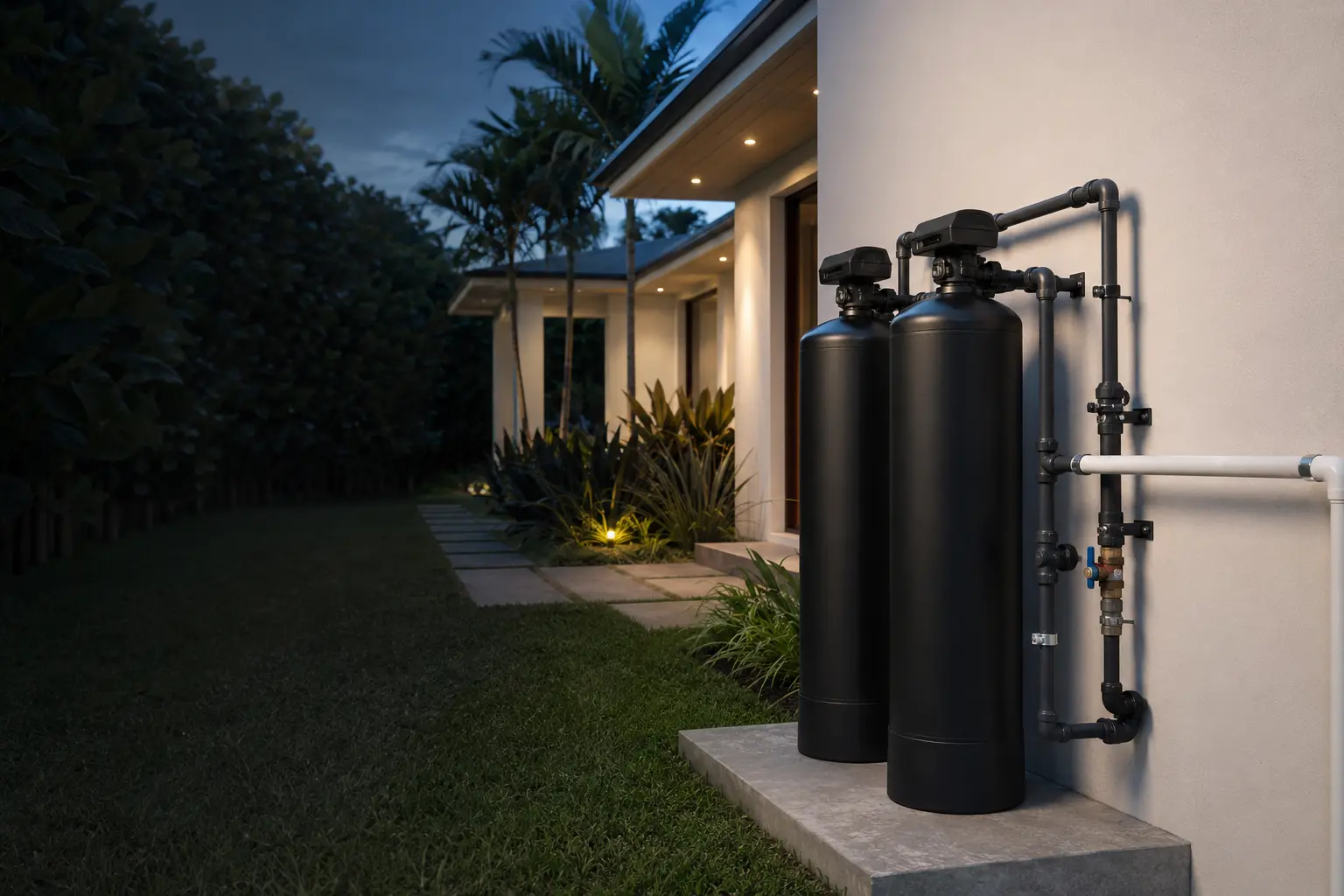
The best water filter is not the unit with the most stages. It is the system that addresses a verified concern at the correct fixtures, delivers adequate flow and can be maintained for years.
Use this framework to turn a vague search for 'cleaner water' into a specific, comparable project.
Step 1: identify the water source
Find the utility serving your address and read its current water-quality report. Private wells require a different testing and treatment process.
Do not assume a neighboring city uses the same source or disinfectant.
Step 2: define the problem by fixture
Write down where you notice the concern. Drinking-water taste at the kitchen faucet points toward a different solution than shower odor or scale on every fixture.
Separate hardness, disinfectant taste, sediment and a specific contaminant concern.
Step 3: match treatment technology
RO is commonly used for drinking and cooking water. Whole-home carbon is commonly used for chlorine- or chloramine-related taste and odor. Ion exchange addresses hardness.
Specialty concerns may require testing and a different media or treatment train.
Step 4: verify household flow
Point-of-entry systems must support peak demand. Count bathrooms, fixtures and simultaneous-use patterns rather than sizing only by household headcount.
Pressure and pipe size should be confirmed before equipment selection.
Step 5: inspect installation conditions
The main line, drainage, power, cabinet space and faucet location can affect feasibility and price. Clear photos often reveal whether a concept is practical.
Preserve service clearance so future maintenance does not become a demolition project.
Step 6: compare proof and maintenance
Ask for the exact model, media, certified claims, replacement schedule and parts availability. Avoid vague claims that a system 'removes everything.'
A maintainable system with clear documentation is usually a better investment than a proprietary mystery package.
Common questions
Frequently asked questions
What is the best water filter for Miami tap water?
There is no single best system. Choose based on your utility, specific concern, fixtures to be treated, household flow and maintenance preferences.
Should I buy a whole-home filter or RO first?
Start with the outcome you care about most. RO focuses on drinking water; whole-home filtration treats water throughout the property.
Can I get a quote from photos?
Photos can often support a preliminary scope, but critical plumbing conditions should be verified before the final installation commitment.