
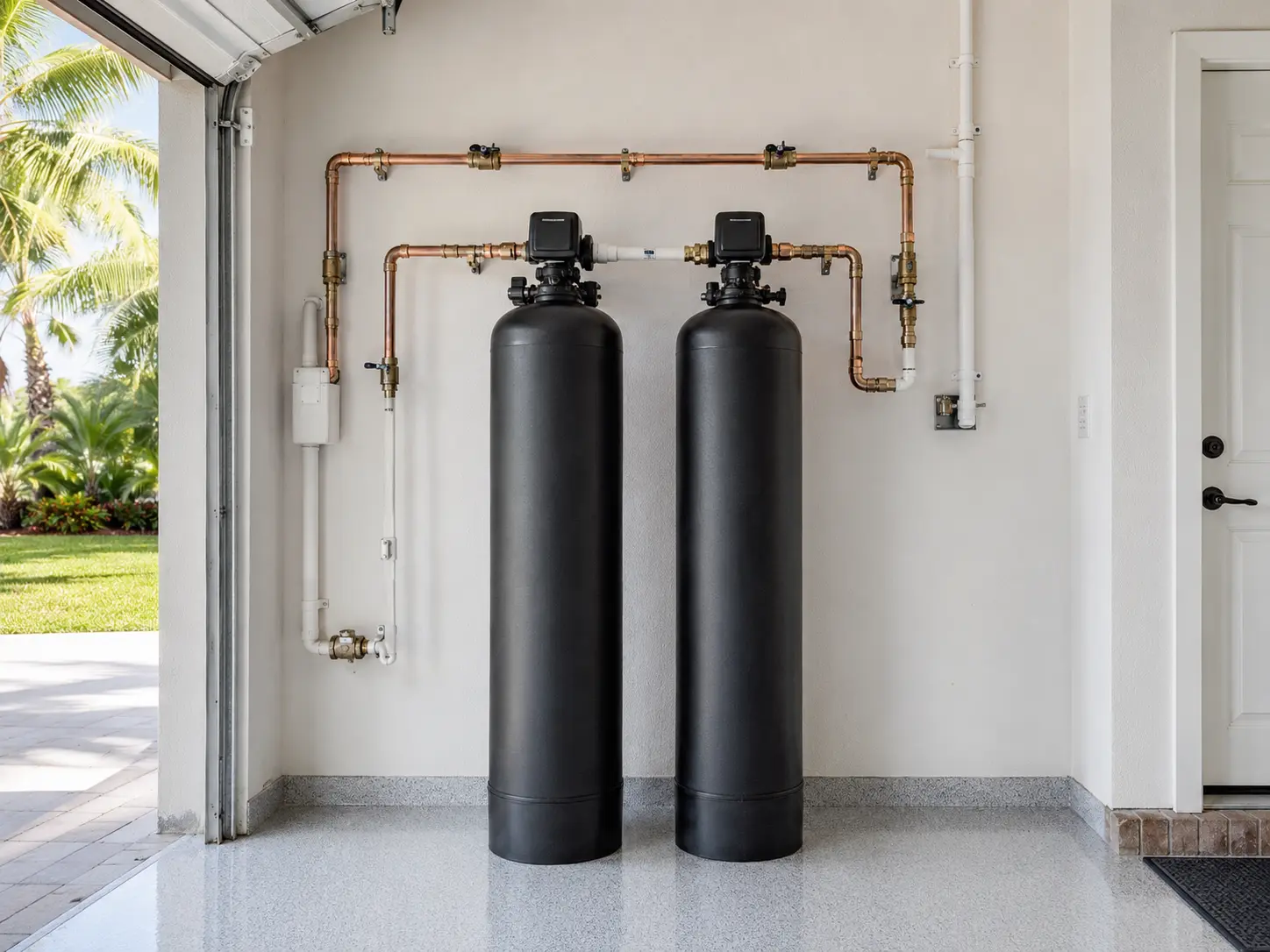
A whole-house filter is a plumbing system you will maintain for years. The best buying decision comes from asking specific questions before discussing brands or the number of stages.
Use the answers to compare proposals on the same basis and identify vague claims before installation.
Questions about the water and treatment goal
Ask: What exact issue is this system designed to address? Which utility or test data supports that choice? Does the proposal distinguish disinfectant, hardness, sediment and drinking-water concerns?
A system should not be selected solely because it is popular or has more stages.
Questions about sizing and performance
Ask: What is the service flow rate? How much media is included? What pressure drop is expected? Which exact reduction claims are independently certified?
The model number and certification listing should match the equipment being quoted.
Questions about installation
Ask: Where will the system connect, where is the bypass, and what plumbing work is included? Are permits, drain routing, electrical work, restoration or old-equipment removal excluded?
Confirm how the installation remains accessible and protected.
Questions about long-term ownership
Ask: Which consumables are required, how often are they replaced, what do they cost today and who can service the equipment? What does the warranty exclude?
Finally, request one written total that clearly separates optional upgrades from the core system.
Common questions
Frequently asked questions
Is more filter media always better?
More media can increase capacity or contact time, but only when the media type and flow are appropriate for the treatment goal.
Should I insist on certified equipment?
Certification provides useful independent evidence. Verify the exact model, standard and reduction claim in the certifier’s listing.
What should a written estimate include?
Equipment model, media, capacity, plumbing scope, warranty, maintenance, exclusions, total installed price and optional work.